¶ Soft Skills
¶ Resources to Develop Soft Skills for Cybersecurity
¶ 1. Communication Skills
The ability to convey complex ideas clearly and adapt your message to different audiences is essential in cybersecurity. Effective communication ensures technical risks and solutions are understood by non-technical stakeholders, facilitating better decision-making and collaboration.
- Explaining technical concepts to non-technical stakeholders: For example, translating a vulnerability into business impact.
- Writing reports: Summarizing risk assessments, incident reports, or compliance updates.
- Active listening: Understanding team or client needs thoroughly before acting
¶ Books

- How to Win Friends and Influence People by Dale Carnegie
- Timeless principles for building rapport, influencing others, and resolving conflicts effectively.
- Timeless principles for building rapport, influencing others, and resolving conflicts effectively.

- Made to Stick by Chip Heath and Dan Heath
- Learn how to communicate ideas clearly and persuasively.

- Technical Writing for Dummies by Sheryl Lindsell-Roberts
- Practical advice on writing clear and concise reports.
- Practical advice on writing clear and concise reports.
¶ Courses
- Public Speaking for Beginners (Udemy)
- Practice presenting ideas clearly.
¶ Practice
- Join a Toastmasters Club to improve public speaking. Toastmasters International
- Write blogs or technical guides. You can do this on platforms such as Medium, Github, or even your own website.
- You can find some examples here Ben Heater, bdubzz, Gereshk
¶ 2. Teamwork and Collaboration
Cybersecurity often involves working across teams, such as IT, legal, and management. Strong collaboration skills ensure smooth coordination, conflict resolution, and shared success in securing an organization against threats.
- Working with cross-functional teams: Collaborating with IT, legal, and management teams to implement security measures.
- Conflict resolution: Handling differing opinions on security measures diplomatically.
- Mentoring: Sharing knowledge with junior colleagues or training non-technical staff.
¶ Books
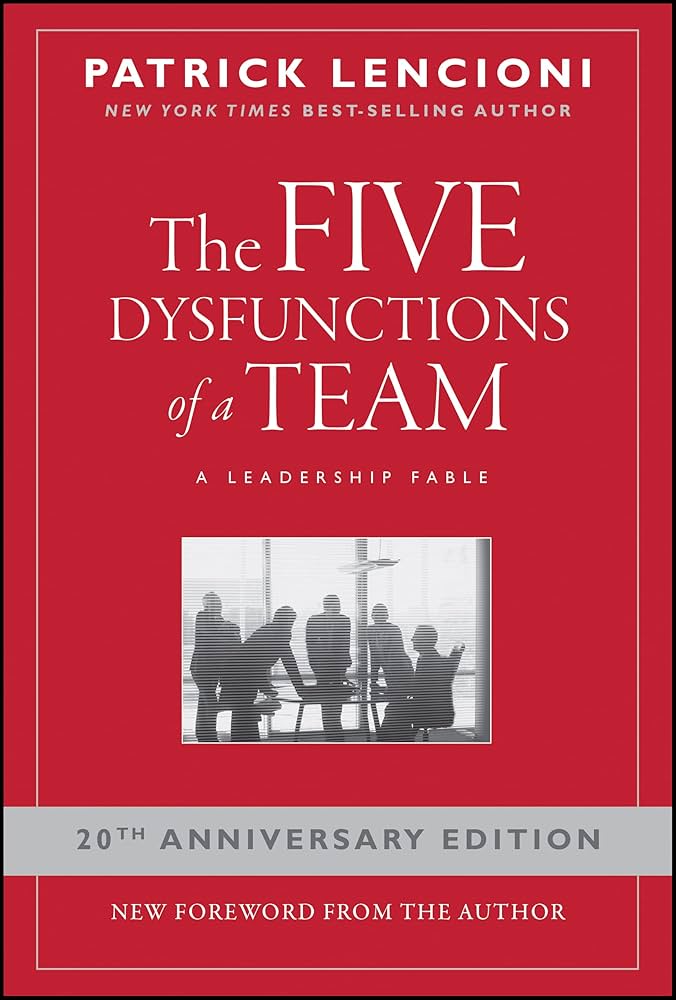
- The Five Dysfunctions of a Team by Patrick Lencioni
- Understand the dynamics of teamwork and collaboration.
- Understand the dynamics of teamwork and collaboration.

- Radical Candor by Kim Scott
- Learn how to balance being direct while maintaining good relationships.
¶ Courses
- TCM softskills for the job market
- Comprehensive course meticulously designed to equip job seekers with essential soft skills, communication techniques, and job application strategies required to excel in today’s competitive job market.
- Teamwork Skills: Communicating Effectively in Groups (Coursera)
- Practical exercises to improve collaboration.
- Emotional Intelligence at Work (Udemy)
- Focuses on building rapport and managing team dynamics.
¶ Practice
- Contribute to open-source projects on GitHub to collaborate with others remotely.
- Participate in Capture the Flag (CTF) events with teams.
¶ 3. Problem-Solving
In a dynamic field like cybersecurity, solving complex problems is critical. Whether troubleshooting a vulnerability or responding to an incident, analytical and creative thinking helps identify solutions under pressure.
- Critical thinking under pressure: Identifying and mitigating threats during a live security incident.
- Adaptability: Responding effectively to new and evolving cybersecurity threats.
- Resourcefulness: Making the most of available tools and data to solve problems.
¶ Books

- Thinking, Fast and Slow by Daniel Kahneman
- Deep insights into how we think and solve problems.

- The Art of Problem Solving by Russell L. Ackoff
- A practical framework for tackling complex problems.
¶ Courses
- Critical Thinking and Problem-Solving (Coursera)
- Teaches structured methods for solving problems logically.
- Problem-Solving Techniques (Udemy)
- Focuses on creative and analytical problem-solving.
¶ Practice
- Solve cybersecurity puzzles on Hack The Box or TryHackMe.
- Engage in Tabletop Exercises to simulate incident responses with teams.
¶ 4. Leadership and Initiative
Taking charge of projects, making decisions during incidents, and driving security culture require leadership skills. Proactive leaders inspire trust and implement lasting, impactful changes in organizational security.
- Taking ownership of projects: Leading tasks like penetration testing or policy development.
- Decision-making: Prioritizing responses during incidents or implementing new security protocols.
- Driving awareness: Advocating for a culture of security within an organization.
¶ Books

- Leaders Eat Last by Simon Sinek
- Builds leadership qualities like empathy and responsibility.
- Builds leadership qualities like empathy and responsibility.

- Extreme Ownership by Jocko Willink and Leif Babin
- Practical leadership strategies from a military perspective.
¶ Courses
- Project Management Fundamentals (Udemy)
- Learn to lead cybersecurity projects effectively.
¶ Practice
- Volunteer to lead small projects in your current role or during cybersecurity competitions.
- Mentor junior colleagues or create security awareness programs.
¶ 5. Emotional Intelligence
Understanding and managing emotions—both yours and others’—is key to handling stressful situations, building trust, and fostering effective teamwork in cybersecurity, especially when tensions are high during incidents.
- Empathy: Understanding user behavior to design effective security practices.
- Resilience: Remaining calm and focused during stressful incidents.
- Relationship management: Building trust with clients, team members, or stakeholders.
¶ Books

- Emotional Intelligence 2.0 by Travis Bradberry and Jean Greaves
- A hands-on guide to building self-awareness and empathy.
- A hands-on guide to building self-awareness and empathy.

- Dare to Lead by Brené Brown
- Focuses on vulnerability and trust in leadership.
- Focuses on vulnerability and trust in leadership.
¶ Practice
- Use tools like the “Emotional Intelligence Appraisal” to measure and improve your EQ.
- Role-play challenging scenarios (e.g., handling conflicts) with peers or mentors.
¶ Communities for Practice
- LinkedIn Groups: Join cybersecurity and soft-skills-focused groups for discussions and networking.
- Local Cybersecurity Meetups: Engage with professionals to practice communication and collaboration. Find Meetups or create your own group.
- Cyber Security Confrences: Bsides and Defcon
- CTFs and Hackathons: Develop teamwork and problem-solving in a high-pressure environment.